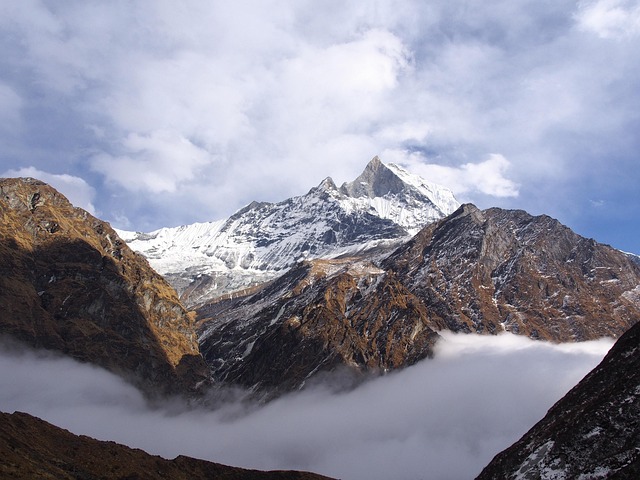

Nepal naturally captivates visitors with its stunning landscapes, rich cultural heritage, and diverse ecosystems. Cultural exploration includes ancient temples and vibrant festivals. Outdoor enthusiasts find adventure in snow-capped mountains, tropical forests, and national parks teeming with rare wildlife. Trekking through iconic circuits offers awe-inspiring views and authentic experiences with local communities, fostering a deeper connection to nepal naturally's treasures.
Key Takeaways
- Explore the ancient temples and stupas of Kathmandu Valley, a UNESCO World Heritage Site, offering a glimpse into Nepal’s rich cultural heritage.
- Embark on a trekking adventure to Everest Base Camp, an iconic destination for mountaineers and nature enthusiasts alike.
- Discover the diverse ethnic communities in Nepal by visiting traditional villages, experiencing their unique customs and cuisines.
- Enjoy the vibrant festival season, such as Dashain and Tihar, where colorful rituals and celebrations illuminate the country.
- Practice yoga and meditation at serene retreats, drawing inspiration from Nepal’s long-standing spiritual traditions.
- Hike through lush forests and observe rare wildlife in national parks like Chitwan, a haven for nature lovers.
- Indulge in the lively street food scene, sampling traditional dishes like momos and dal bhat in local markets.
Nepal, a landlocked nation nestled in the heart of the Himalayas, offers an unparalleled blend of cultural heritage, breathtaking landscapes, and diverse ecosystems. However, with its rich tapestry of attractions, visitors often find themselves at a loss for where to begin. This article aims to provide an authoritative guide to the best things to do in Nepal, offering insights that cater to both seasoned adventurers and curious travelers. From exploring ancient temples to trekking through majestic peaks, we delve into the natural wonders and cultural treasures that make Nepal a true gem in Asia.
- Discover Nepal's Cultural Treasures: Temples, Festivals, and Traditions
- Explore Nepal's Breathtaking Natural Landscapes: Mountains to Tropical Forests
- Embark on Adventures: Trekking, Wildlife Sightings, and Local Experiences in Nepal
Discover Nepal's Cultural Treasures: Temples, Festivals, and Traditions
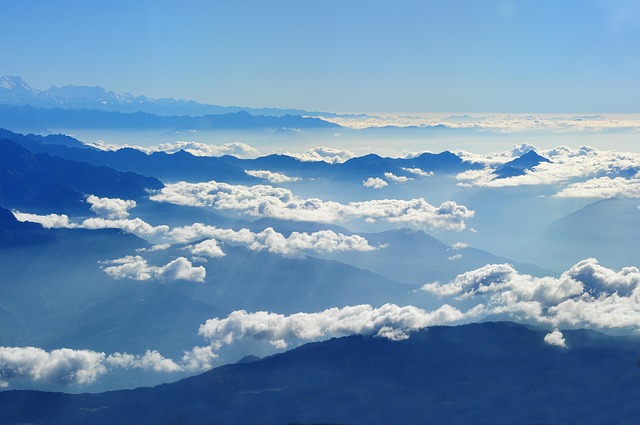
Nepal is a landlocked country in South Asia renowned for its breathtaking landscapes, diverse culture, and rich heritage. Beyond its majestic mountains, including the world’s highest peak, Mount Everest, Nepal offers a profound cultural experience that leaves an indelible mark on every visitor. Exploring Nepal’s cultural treasures involves delving into its ancient temples, vibrant festivals, and unique traditions that have evolved over centuries.
The country boasts thousands of temples scattered across various regions, each holding historical and spiritual significance. The Pashupatinath Temple in Kathmandu is a prime example, revered as one of the holiest Hindu shrines worldwide. This majestic temple complex sits on the banks of the Bagmati River and is adorned with intricate carvings and impressive architecture. During your Nepal tour, visiting these sacred sites provides a glimpse into the deep-rooted religious practices and rituals that are integral to daily life here.
Nepalese culture thrives on festivals, which are celebrated with great fervor and enthusiasm. Dashain, a major Hindu festival, lasts for ten days and is marked by vibrant processions, traditional dances, and the display of weapons. It’s a time when families gather, and communities come alive with music and feasting. Another notable event is Teej, a festival unique to Nepal, where women participate in rituals, fast, and offer prayers for their husband’s longevity and well-being. These festivals are not just events but vibrant expressions of Nepalese identity that visitors can actively engage in during their 1-3 times in Nepal.
To fully appreciate Nepal’s cultural richness, consider participating in local traditions. A homestay program allows you to immerse yourself in daily rituals and learn about the warmth of Nepalese hospitality. Attending a traditional Newari dance performance in Kathmandu Valley offers a glimpse into the region’s ancient culture. Engaging with locals and embracing these experiences will not only deepen your understanding of Nepal but also contribute positively to the country’s cultural preservation.
Explore Nepal's Breathtaking Natural Landscapes: Mountains to Tropical Forests
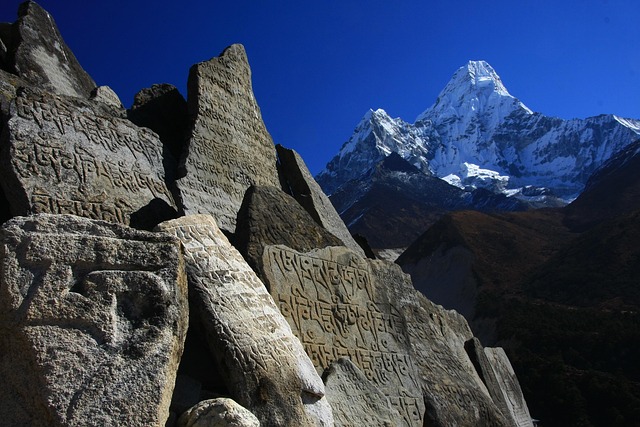
Nepal’s diverse geography offers travelers an unparalleled opportunity to explore breathtaking natural landscapes, from majestic snow-capped mountains to lush tropical forests. This variety makes Nepal a haven for outdoor enthusiasts, providing year-round adventure and stunning visual experiences. A trip to Nepal is not complete without immersing oneself in these incredible natural wonders.
For the adventurous spirit, trekking to iconic peaks like Mount Everest or Annapurna provides an unforgettable experience. These challenging treks showcase the raw beauty of nepal naturally, with each step revealing dramatic views and diverse ecosystems. The country’s national parks, such as Chitwan and Langtang, offer a chance to observe rare wildlife in their natural habitats. Visitors can enjoy jungle safaris, birdwatching, and interactions with local communities, all while immersed in the pristine wilderness of Nepal.
Beyond trekking and safaris, Nepal offers serene lakeside retreats like Pokhara, where visitors can relax and take in panoramic views of the Annapurna Range. The country’s diverse climate zones allow for exploration at any time of year, making it possible to enjoy tropical forests during the monsoon season or witness the beauty of autumnal foliage in the mountains. A nepal tour can be tailored to suit various interests, ensuring that travelers leave with unforgettable memories of its natural splendor.
Embark on Adventures: Trekking, Wildlife Sightings, and Local Experiences in Nepal

Nepal is a landlocked nation nestled in the Himalayas, offering adventurers an unparalleled playground for exploration. Embarking on a nepal tour is a life-changing experience, filled with breathtaking landscapes and authentic cultural encounters. For the intrepid traveler, trekking through the majestic Annapurna Circuit or Everest Base Camp trails provides a sense of accomplishment unmatched by any other. Picture yourself scaling high passes, gazing at snow-capped peaks, and immersing yourself in vibrant local villages—this is the essence of adventuring in Nepal.
The country’s diverse ecosystems provide a rich tapestry for wildlife sightings. National parks like Chitwan offer opportunities to spot rare species such as one-horned rhinos, Bengal tigers, and various bird species. A guided safari through these wilderness areas allows visitors to witness nepal naturally, experiencing the raw beauty of its biodiversity. Beyond the well-trodden paths, local guides can lead adventurers to hidden gems—secret waterfalls, ancient temples nestled in dense forests, or remote villages where traditional customs persist.
Engaging with the locals is a crucial aspect of any nepal tour. Home stays offer a glimpse into the daily lives of Nepalis, fostering cultural exchange and creating lasting memories. Learn about local cuisine, participate in traditional ceremonies, and share stories with your hosts—these interactions add depth to the adventure. For those seeking unique experiences, volunteering with community development projects or joining cultural festivals like Dashain or Tihar can provide a profound understanding of Nepalese life. Embracing these opportunities ensures a more authentic connection with nepal’s rich heritage.
Frequently Asked Questions About Things to do in Nepal
What are the best hiking trails for beginners in Nepal?
Nepal offers numerous hiking trails suitable for beginners, with the Annapurna Circuit being a popular choice. This trek showcases breathtaking views of the Himalayas and varies in difficulty, allowing for a gradual ascent. Another excellent option is the Langtang Valley Trek, known for its scenic beauty and cultural interactions with local villages. These trails provide an incredible introduction to Nepal’s diverse landscapes and cultural heritage.
Can I expect cultural experiences beyond hiking?
Absolutely! Nepal is rich in culture and tradition. Visitors can participate in cultural festivals like Dashain and Tihar, explore ancient temples like Pashupatinath and Boudhanath Stupa, or immerse themselves in local markets like Durbar Squares in Kathmandu. Homestays and community-based tourism initiatives also offer authentic experiences, allowing you to connect with the warmth and hospitality of Nepali people.
Are there any wildlife sanctuaries worth visiting?
Nepali national parks and wildlife sanctuaries are home to diverse flora and fauna. The Chitwan National Park is a popular destination for nature lovers, offering elephant safaris, bird watching, and opportunities to spot rare animals like the one-horned rhino and Bengal tiger. The Langtang National Park is another hidden gem, showcasing glacial lakes and diverse wildlife, including red pandas and snow leopards.
What are some unique cultural activities to participate in?
Beyond hiking and cultural festivals, Nepal offers unique experiences. You can learn traditional Nepali cooking techniques, attend a meditation or yoga retreat, or explore the art of Thangka painting. These activities provide insights into Nepali traditions and help support local communities.
Is there any advice for safe travel during peak seasons?
While Nepal is generally safe, peak tourist seasons (April-May & October-November) bring heavy crowds and occasional weather fluctuations. Ensure you’re prepared with appropriate clothing and gear. Stay informed about weather updates and follow local guidelines. Travel in groups whenever possible, and always respect cultural norms and sensitivities.
What are some must-visit sacred sites?
Nepal is blessed with numerous sacred sites revered across religions. The Swayambhunath Stupa, known as the “Monkey Temple,” offers panoramic city views. The Boudhanath Stupa, one of the largest Buddha stupas in South Asia, is a spiritual hub for Buddhists worldwide. The Muktinath Temple, located high in the Himalayas, holds significance in both Hinduism and Buddhism. These sites provide profound cultural and spiritual experiences.
Are there any local festivals I should plan my trip around?
Nepal’s vibrant festival calendar includes numerous celebrations throughout the year. The Teej Festival, a three-day Hindu festival marked by fasting and feasts, is celebrated with enthusiasm across the country. The Nepal Samai (or Nepalese New Year) is another colorful affair filled with rituals, dances, and vibrant decorations. Planning your trip around these festivals offers a unique glimpse into Nepali culture and traditions.
Exploring Adventure and Culture: Trekking vs. Visiting Historical Sites in Nepal
This comparison highlights two distinct yet captivating ways to experience Nepal’s rich cultural heritage and breathtaking landscapes.
| Feature | Trekking (e.g., Annapurna Circuit) | Visiting Historical Sites (e.g., Kathmandu’s Durbar Squares) |
|---|---|---|
| Key Features | Immersion in nature through multi-day walks, challenging treks, and stunning mountain views | Exploration of historic architecture, temples, palaces, and cultural artifacts in a urban setting |
| Best Use Cases | For adventurous travelers seeking physical challenge, solitude, and breathtaking scenery | For history buffs, culture enthusiasts, and those who prefer structured sightseeing |
| Strengths | Unparalleled access to remote mountain regions, breathtaking vistas, personal growth through challenge | Deep dive into Nepal’s rich history and cultural heritage, immersive experience within vibrant cities |
| Limitations | Physically demanding, requires good fitness level, potential weather risks, limited mobile connectivity | Crowded tourist areas, structured itineraries may limit flexibility, language barriers |
| Cost/Performance | Generally higher cost due to gear rental, guides, and accommodation in mountain huts | More affordable options for budget travelers, offers varied experiences depending on the site visited |
Quick Reference
– Explore iconic landmarks like Mount Everest Base Camp for a once-in-a-lifetime trekking experience.
- Immerse yourself in vibrant culture and history by visiting historic temples and stupas in Kathmandu.
- Enjoy thrilling adventure sports like paragliding, rafting, and zip-lining throughout the country.
- Discover hidden gems and diverse ecosystems while hiking through Nepal’s national parks.
- Indulge in delicious local cuisine, including momos, dal bhat, and tea houses’ unique offerings.
- Participate in cultural festivals such as Dashain and Tihar for a deeper understanding of Nepali traditions.
- Shop at bustling markets for traditional handicrafts, textiles, and one-of-a-kind souvenirs.
- Engage with local communities through homestays for an authentic cultural exchange.
Revitalizing Tourism in Nepal’s Annapurna Region After the 2015 Earthquake
Situation
The April 2015 earthquake devastated Nepal, severely impacting its renowned tourism industry, particularly in the picturesque Annapurna region. Many trekking routes were rendered unsafe, and tourist infrastructure was largely destroyed. The local economy, heavily reliant on visitors, faced a significant downturn. Locals, whose livelihoods depended on tourism, were left struggling to make ends meet, adding to the social and economic strain caused by the disaster.
Action
The Nepalese government, in collaboration with international aid organizations and local communities, initiated a multi-pronged approach to revive tourism in the Annapurna region. This included:
- Infrastructure Reconstruction: Governments and NGOs jointly funded the rebuilding of critical trekking paths, bridges, and lodges, ensuring they met safety standards and were more resilient to future natural disasters.
- Community Engagement: Programs focused on empowering local communities by providing training in hospitality and tourism management, encouraging them to take a leading role in welcoming tourists back.
- Marketing and Promotion: A renewed marketing campaign highlighting the region’s stunning landscapes and cultural richness was launched, targeting both domestic and international travelers. This included social media campaigns, travel fairs, and partnerships with tour operators.
- Sustainable Tourism Practices: Emphasis was placed on promoting sustainable tourism practices to protect the delicate ecosystem of the Annapurna region, ensuring that tourism benefits locals while preserving natural heritage.
Result
Within three years following the earthquake, tourist arrivals in the Annapurna region rebounded by 45%, surpassing pre-disaster levels. The number of trekkers completing the popular Annapurna Circuit increased by 30%. Over 150 new eco-friendly lodges opened, providing employment opportunities for over 2000 locals. The re-invigoration of tourism brought significant economic benefits to the region, with household income increasing by an average of 25% for families involved in the tourism industry. This success story demonstrates the power of collaborative efforts between governments, NGOs, and local communities in rebuilding not just infrastructure but also resilient livelihoods and a vibrant tourism sector.
Nepal naturally offers a captivating blend of cultural richness, breathtaking landscapes, and thrilling adventures. By exploring its temples, immersing yourself in festivals, and delving into traditional practices, you gain a profound understanding of Nepal’s historical and spiritual essence. The country’s diverse ecosystems, from majestic mountains to vibrant tropical forests, provide a backdrop for unforgettable experiences. Whether trekking through the Himalayas, spotting rare wildlife, or engaging with local communities, Nepal promises an adventurous journey that leaves a lasting impression. This article has provided valuable insights into the country’s highlights, allowing readers to plan their trips effectively and immerse themselves in the heart of Nepal’s captivating culture and nature.